In the APP (Swe)/[PS1(L166P)] transgenic (Tg) model of AD, germ-free status reduced cerebral A load compared to conventionally raised APP rodents (Harach et al., 2017), implicating microbiota as a direct or indirect modifier of peripheral amyloidosis (discussed later in Section Gut Microbiome-Mediated Fibril Formation)
In certain embodiments, the viscosity of the gel is in the range from about 100 to about 50,000 cP, about 100 cP to about 1,000 cP, about 500 cP to about 1500 cP, about 1000 cP to about 3000 cP, about 2000 cP to about 8,000 cP, about 4,000 cP to about 50,000 cP, about 10,000 cP to about 500,000 cP, about 15,000 cP to about 1,000,000 cP
This dose produces significant appetite suppression in most users
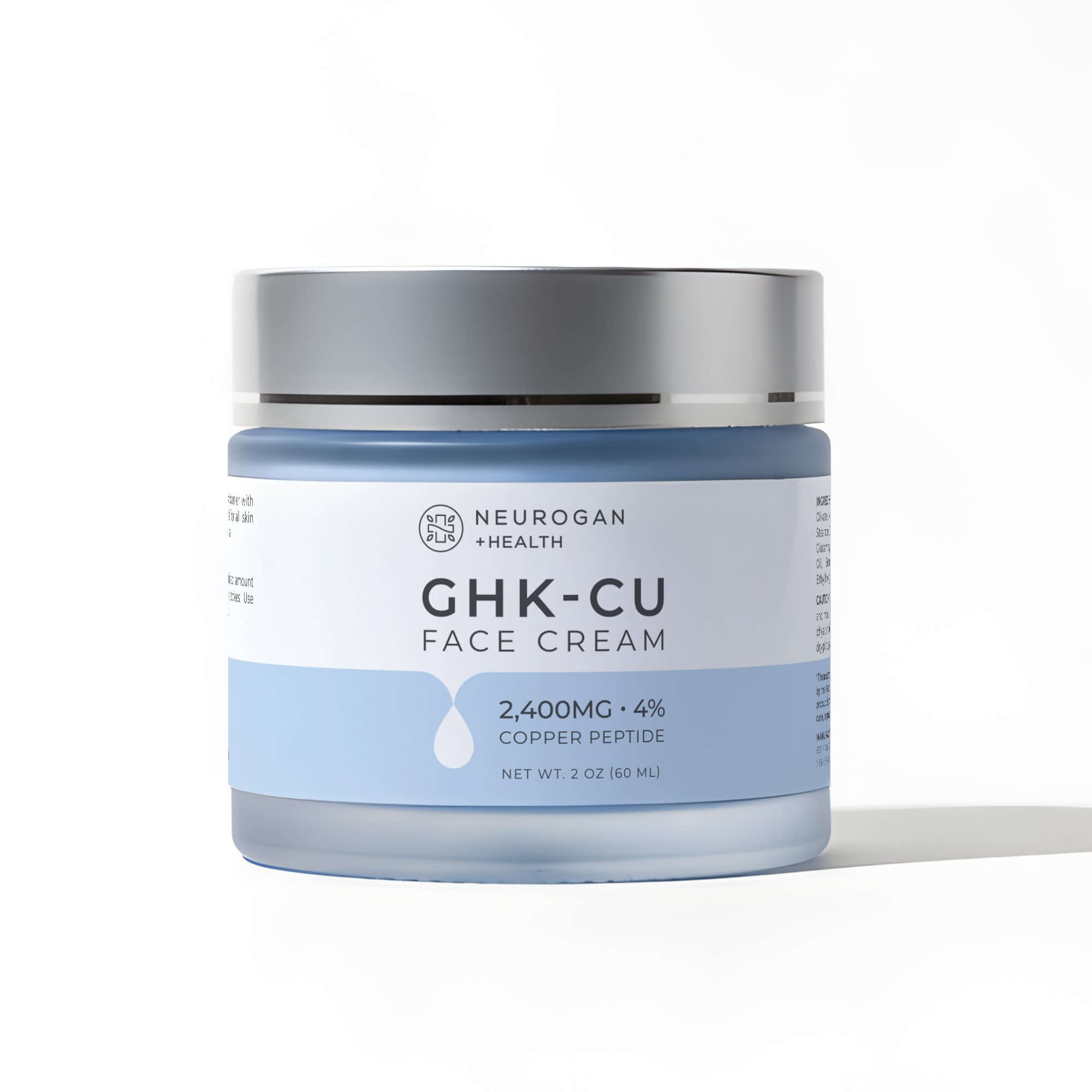
These peptides are known for their healing and regenerative properties