Reconstituted aqueous solutions retain the visible blue tint at typical research working concentrations, which serves as a useful visual indicator that the GHK-Cu complex's copper-2 binding remains intact
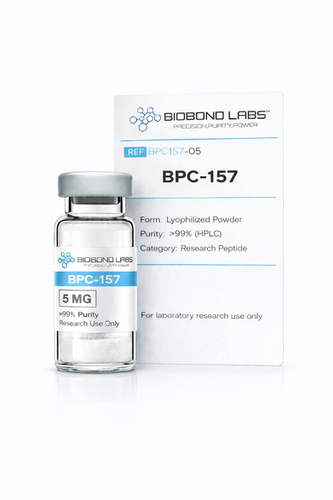
In research communities, these peptides are often discussed as complementary rather than directly competitive because: GHK-Cu is often chosen for collagen, skin, scar, and cosmetic tissue remodeling goals BPC-157 is often chosen for tendon, ligament, joint, muscle, and deeper recovery goals For that reason, many researchers discussing GHK-Cu vs BPC-157 eventually decide the better question is not which one is better, but which one better matches the tissue target? If you are building a broader research setup, you may also want to browse our research peptide collection for compatible inventory planning
Step-by-Step Reconstitution Process Step 1: Wipe Both Stoppers Using a fresh alcohol prep pad, wipe the rubber stopper on the Retatrutide vial and on the BAC water vial
This helps with ongoing healing and recovery support as well