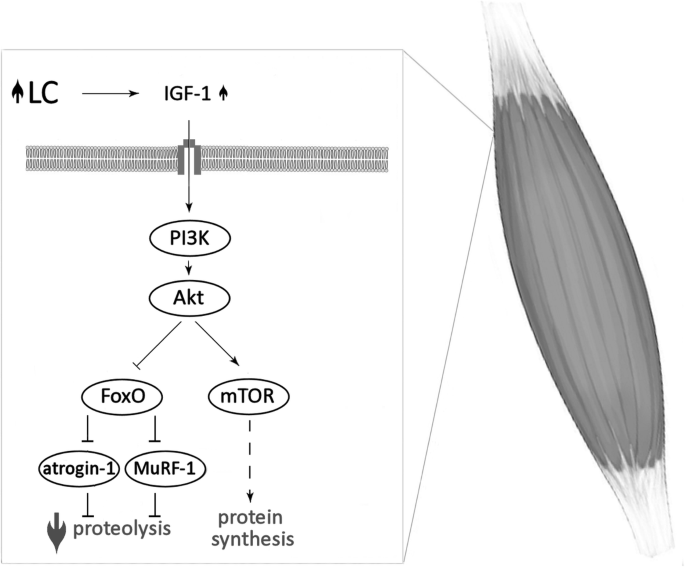
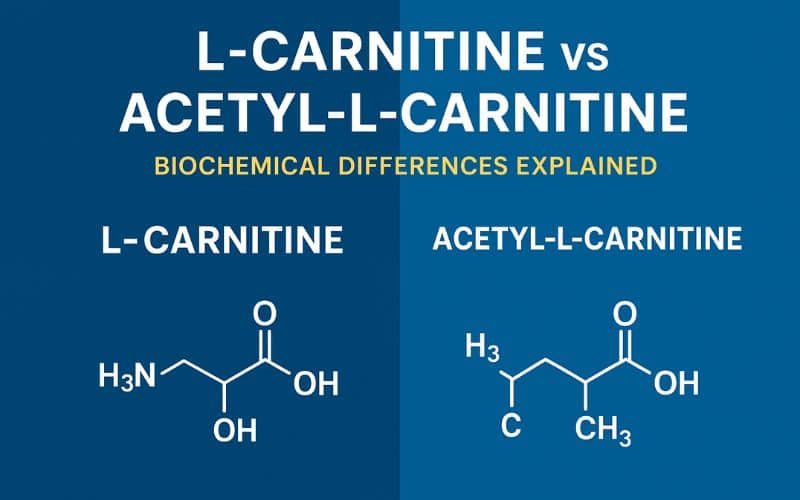
L-carnitine is the predominant carnitine used in biological and medical fields and is commonly referred to as carnitine. The human body contains about 300 mg/kg of L-carnitine, 98% of which is intracellular, with 80% present in the muscles, 510% in the gastrointestinal tract, and 3% in the liver ( Endogenous Synthesis and Exogenous Sources In the average adult diet, it is estimated that about 75% of the daily carnitine requirement mainly comes from meat, fish, and dairy products (Figure 1) (Figure 1) ( Figure 1 The distribution and homeostasis of carnitine within the body is controlled by organic cationic transporters (OCTN) ( in vivo ( Biological Functions Transport of Long-Chain Fatty Acids Into the Mitochondrial Matrix The essential function of carnitine is to transport LCFAs from the cytoplasm to the mitochondrial matrix for subsequent degradation by -oxidation, known as carnitine shuttle ( The carnitine shuttle has three main steps
Increased availability of serotonin precursors augments the amount of available serotonin, which might lead to the development of the serotonin syndrome [182] and, thereby, the involvement of both 5-HT1A and 5-HT2A receptors
intravenous (some studies) Protocol: Cyclic -- 5-10 mg/day for 10-20 consecutive days, repeated every 4-6 months (2-3 cycles per year) Rationale: Brief telomerase activation extends telomeres, which then provide sustained replicative capacity during drug-free intervals Requirements: Sterile reconstitution, cold chain storage, injection supplies, injection technique Regulatory status: FDA Category 2 since 2024 (banned from compounding in the US) NAD+# Route: Oral (NMN, NR supplements)
It was originally developed for its potential fat-burning and weight-management effects without the muscle-building or blood-sugar-affecting properties of HGH