The assessment of results was made at 24 and 96 hours after peptide administration and included changes in the kidneys on a scale from 0 to 3, where: 0 - healthy kidney, 1 - mild hydronephrosis, 2 - moderate hydronephrosis, visible dilation of the renal pelvis, few changes on the kidney surface, 3 - severe hydronephrosis, dilation of the renal pelvis, thinning of the renal parenchyma, and a significant number of changes on the kidney surface
Angiogenesis and VEGF Signalling Research indicates BPC-157 may upregulate vascular endothelial growth factor (VEGF) pathways in experimental models, contributing to: Capillary formation Accelerated wound closure Improved microvascular repair Reference: Hsieh et al., 2017 Angiogenic mechanisms in BPC 157-treated tissues PubMed: 3
No claims regarding safety or efficacy in living subjects have been evaluated by the FDA or other regulatory agencies
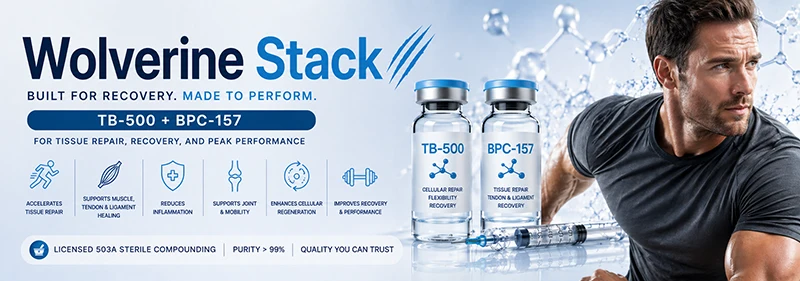
Research suggests the combination produces 3050% faster healing than either peptide alone, with better tissue quality