Scientific Communications: imaging 01.00 - ACUTE ISCHEMIC STROKE MANAGEMENT - 01.06 - IMAGING - Hyperacute O - ESOC25-862 MAPPING DWI SIGNAL REVERSAL AND LONG-TERM TISSUE OUTCOMES FOLLOWING ENDOVASCULAR THERAPY IN ACUTE ISCHEMIC STROKE Thor Hkon Skattr 1,2,3 , Cecilie Mrck Offersen 4,5 , Terje Nome 1 , Kine Bakke 6 , Brian Anthony Enriquez 2 , Jonathan Carlsen 4,5 , Mona Beyer 1,3 , Atle Bjrnerud 6,7 , Anne Hege Aamodt 2,8 1 Division of Radiology and Nuclear Medicine, Oslo University Hospital, Oslo, Norway, 2 Department of Neurology, Oslo University Hospital, Oslo, Norway, 3 Institute of Clinical Medicine, University of Oslo, Oslo, Norway, 4 Department of Radiology, Copenhagen University Hospital, Rigshospitalet, Copenhagen, Denmark, 5 Department of Clinical Medicine, University of Copenhagen, Copenhagen, Denmark, 6 Department of Physics and Computational Radiology, Oslo University Hospital, Oslo, Norway, 7 Center for Lifespan Changes in Brain and Cognition, Department of Psychology, University of Oslo, Oslo, Norway, 8 Department of Neuroscience and Movement Science, The Norwegian University of Science and Technology, Trondheim, Norway Background and Aims: Diffusion-weighted imaging reversal (DWI-R) is commonly observed after efficient reperfusion therapy in acute ischemic stroke
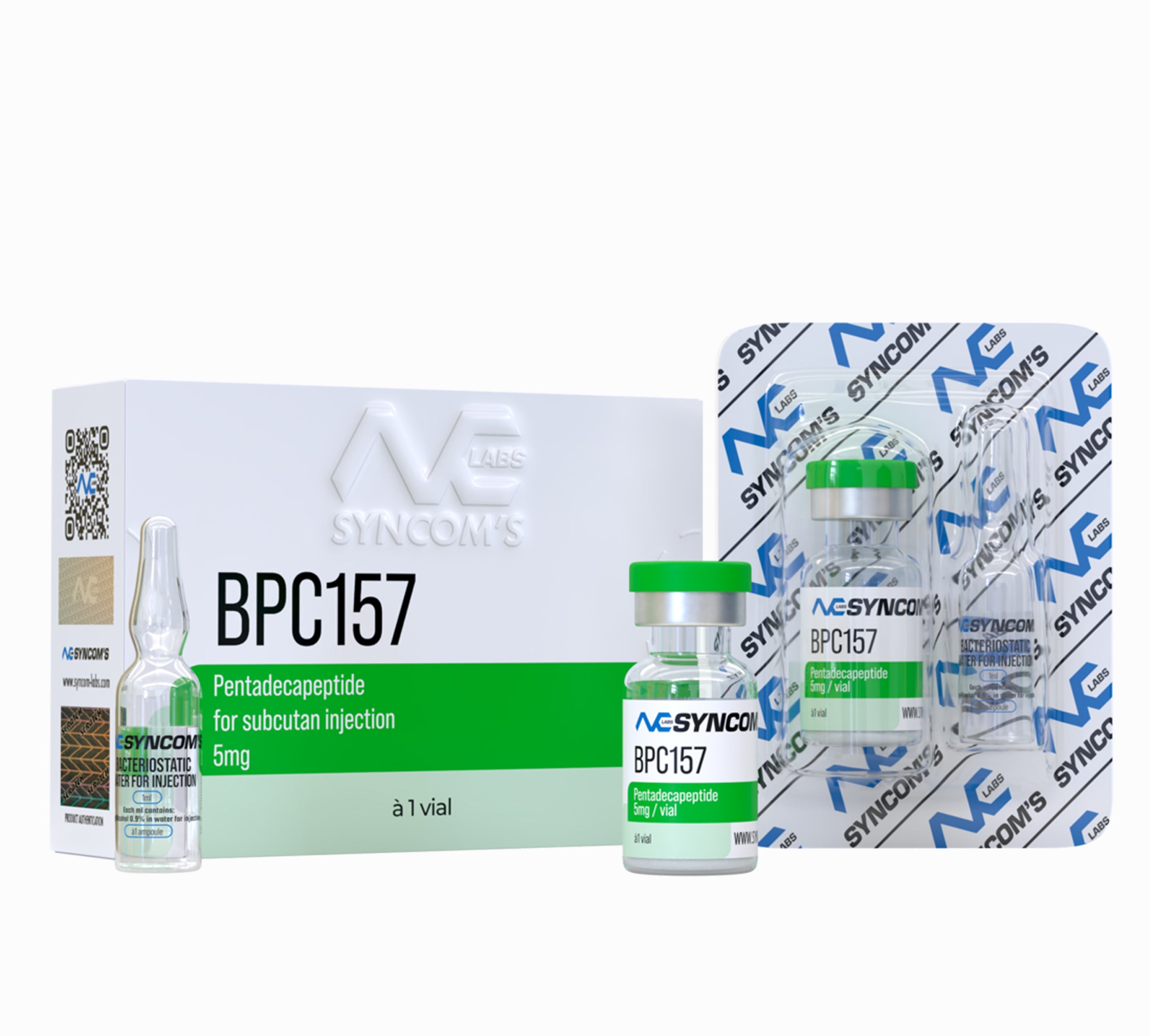
Always check for any changes in color or consistency as a part of your safety checks
Systemic recovery and general tissue repair Patients without a specific acute injury but seeking general recovery optimization or connective tissue support work with their APRN to determine the appropriate dose and route at intake
Once in liquid form, the BPC 157 solution must be stored in the refrigerator (around 2-8C or 36-46F)