Safety and Medical Supervision Matter Peptides should always be administered under professional medical guidance

References Frontiers in Endocrinology (2021) Progress on the Function and Application of Thymosin 4 Annals of the New York Academy of Sciences Thymosin 4: roles in development, repair, and engineering of the cardiovascular system Frontiers in Pharmacology (2022) Pharmacokinetics, distribution, metabolism, and excretion of BPC-157 HSS Journal (2025) Emerging Use of BPC-157 in Orthopaedic Sports Medicine: A Systematic Review Current Pharmaceutical Design (2018) Stable Gastric Pentadecapeptide BPC 157: Novel Therapy in Gastrointestinal Tract Journal of Orthopaedic Surgery and Research (2019) BPC 157 and its effects on tendon healing CDC (2024) Vaccine Administration: Subcutaneous (SUBCUT) Injection NCBI Bookshelf (2023) Administration of Parenteral Medications Nursing Skills CDC (NCHS) Laboratory Procedure Manual: C-Peptide in Serum (storage guidelines) Additional Research and Background These sources provide related context and are not presented as support for a specific statement above
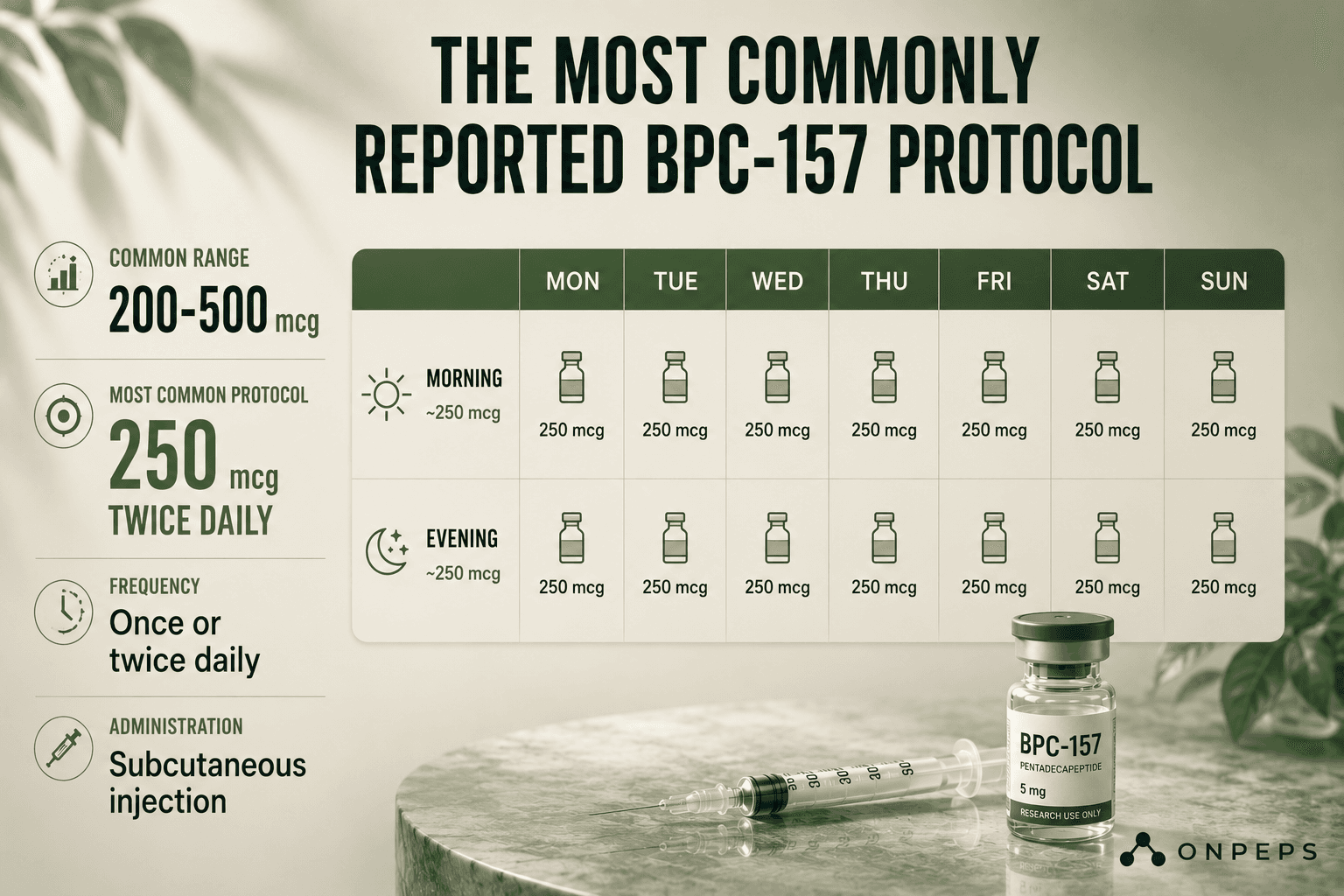
Clinical Indications Acute and chronic musculoskeletal injuries (e.g., tendonitis, sprains, muscle strains) Post-surgical recovery protocols Chronic joint or soft tissue inflammation Gastrointestinal injuries or ulcers (BPC-157) Final Thoughts Peptide therapies like Ipamorelin/CJC-1295 and the Wolverine Stack (BPC-157/TB-500) represent a new frontier in regenerative and performance medicine
its a safeguard that protects peptide integrity, prevents contamination pitfalls, and enables efficient, multi-dose research without constant re-prep